
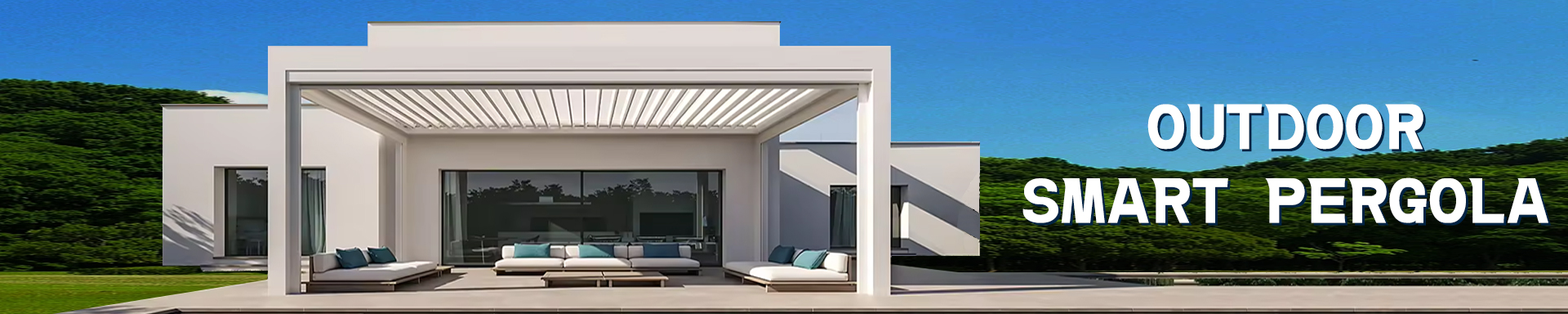
1. Planning Your Custom Aluminum Carport
Designing a Custom Aluminum Carport doesn’t have to be complicated. The key is to plan carefully from the start, ensuring your carport is both durable and visually appealing. Proper planning prevents costly mistakes and guarantees your carport fits perfectly with your home and lifestyle.
1.1 Assessing Your Space and Layout Requirements
The first step is to evaluate your available space and decide the carport layout. Measure your driveway carefully, taking into account the number and size of vehicles you want to accommodate. Many homeowners underestimate this, leading to cramped or impractical designs.
Consider these points:
-
Existing obstacles: Check for trees, utility lines, or drainage pipes that might interfere with installation.
-
Sunlight and drainage: Position your carport so it doesn’t block natural light into your home and ensures proper water runoff.
-
Vehicle access: Make sure there’s enough space for cars to enter, park, and exit comfortably.
For example, a suburban family in Texas installed a Heavy-duty Aluminum Carport at the side of their house. They measured the driveway first, accounted for a small garden bed, and added 2 extra feet of clearance on each side. This simple planning prevented future headaches when larger SUVs arrived.
1.2 Determining Carport Size and Vehicle Capacity
Choosing the right size is critical. A carport that is too small can make parking a daily struggle, while an oversized carport wastes materials and space. Use the following table to compare common Custom Aluminum Carport sizes based on vehicle capacity:
| Vehicle Type | Recommended Carport Width | Recommended Carport Length | Notes |
|---|---|---|---|
| Compact car | 10 ft (3 m) | 18 ft (5.5 m) | Fits 1 car comfortably |
| Standard sedan/SUV | 12 ft (3.6 m) | 20 ft (6 m) | Allows easy door opening |
| Two vehicles side-by-side | 20 ft (6 m) | 20–22 ft (6–6.7 m) | Consider additional clearance for larger SUVs |
| Three vehicles | 30 ft (9 m) | 20–22 ft (6–6.7 m) | Ideal for family or small business needs |
Practical tip: Always add at least 1–2 feet extra to width and length to accommodate mirrors, bike racks, or other accessories. A well-sized carport keeps your vehicles safe and makes everyday use effortless.
1.3 Choosing the Right Location on Your Property
Location is not just about aesthetics—it affects convenience, safety, and long-term durability. Consider these factors:
-
Accessibility: Place the carport where vehicles can easily enter and exit without tight turns.
-
Proximity to the house: If you frequently carry groceries or equipment, a carport closer to the house is more practical.
-
Ground stability: Ensure the area has a solid foundation. Gravel, concrete, or compacted soil are common bases.
-
Integration with surroundings: A Modern Metal Carport can blend seamlessly with your home’s architecture, while a Commercial Aluminum Carport might suit larger driveways or business spaces.
For instance, one homeowner in California positioned their Heavy-duty Carport next to a garden path. They leveled the ground, ensured proper drainage, and aligned it with the driveway. This thoughtful placement prevented water pooling and allowed easy parking for two SUVs without blocking pedestrian access.
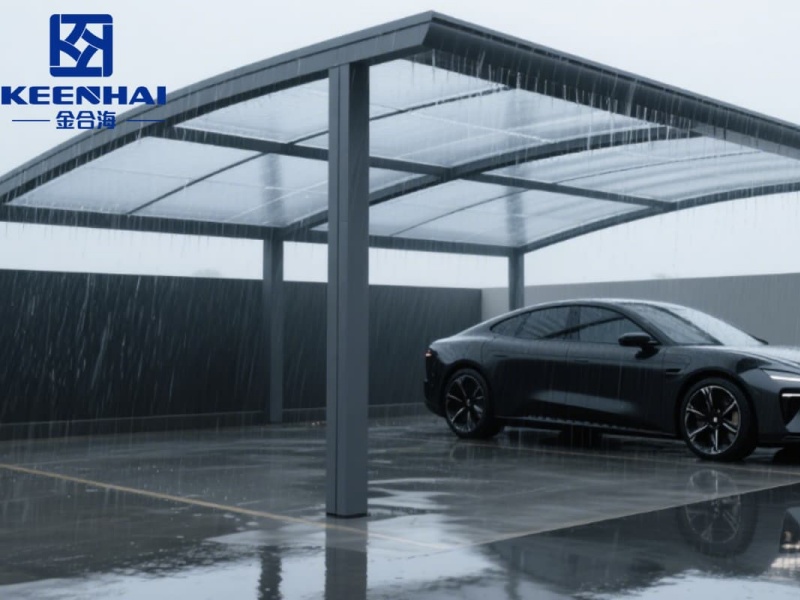
2. Selecting Materials and Structural Components
Selecting the right materials and structural components is crucial to making a carport both durable and practical. Every decision, from frame type to fasteners, affects longevity, strength, and overall performance.
2.1 Aluminum Frame Types and Strength Options
Aluminum frames are lightweight, rust-resistant, and surprisingly strong, but the type you choose determines how well your carport handles weight and weather.
-
Extruded Aluminum provides excellent rigidity, especially for longer spans. It reduces flexing in the roof and supports heavier loads without bending.
-
Tubular Aluminum balances strength with affordability. A 3-inch diameter with 0.12-inch wall thickness is enough for a single-car or small double-car structure.
-
Reinforced Aluminum includes cross-bracing or thicker corners, which allows a Heavy-duty Aluminum Carport to withstand strong winds or snow accumulation.
Choosing the frame carefully means your carport maintains its shape over time and gives you more flexibility for optional extensions or accessories. Even with multiple vehicles, a sturdy frame keeps everything secure and aligned.
2.2 Roofing Material Choices: Panels, Polycarbonate, or Metal Sheets
The roofing material defines durability, light exposure, and overall protection. The main options are aluminum panels, polycarbonate sheets, and galvanized metal sheets:
| Roofing Material | Pros | Cons | Typical Lifespan |
|---|---|---|---|
| Aluminum Panels | Lightweight, rust-resistant, recyclable | Can dent under heavy hail | 20–25 years |
| Polycarbonate Sheets | Lets natural light through, strong impact resistance | May yellow over time if low quality | 10–15 years |
| Galvanized Metal Sheets | Extremely durable, supports heavy snow | Heavier, requires stronger frame | 25+ years |
-
Identify local weather conditions, including snow, hail, or intense sun exposure.
-
Match roof weight with frame strength. Lighter frames work best with aluminum panels or polycarbonate.
-
Consider whether you want sunlight to filter through; polycarbonate offers light without exposure, whereas metal panels provide full shade.
For instance, in areas with high UV exposure, polycarbonate roofs allow light into the carport while still protecting vehicles from sun damage. Slight roof slopes improve rainwater runoff without adding complexity to the design.
2.3 Supporting Posts, Beams, and Fasteners
The stability of the carport depends on posts, beams, and the fasteners connecting them. Even a strong frame can fail if connections aren’t secure.
-
Posts: 4–6 inch square or round aluminum posts work for most residential designs. Larger spans or multi-vehicle setups may require 6–8 inch reinforced posts.
-
Beams: Cross beams should match the frame strength. Extruded beams resist bending and provide reliable support.
-
Fasteners: Stainless steel or coated bolts prevent rust over time. Bolts should be torque-tight and spaced according to structural requirements.
For installation:
-
Anchor posts at least 24 inches into concrete for firm support.
-
Install beams with a slight slope (1–2%) to allow water to drain naturally.
-
Check all fasteners after assembly to ensure they remain tight.
With careful attention to posts, beams, and fasteners, a Heavy-duty Carport can endure storms and daily wear without compromising safety or functionality.
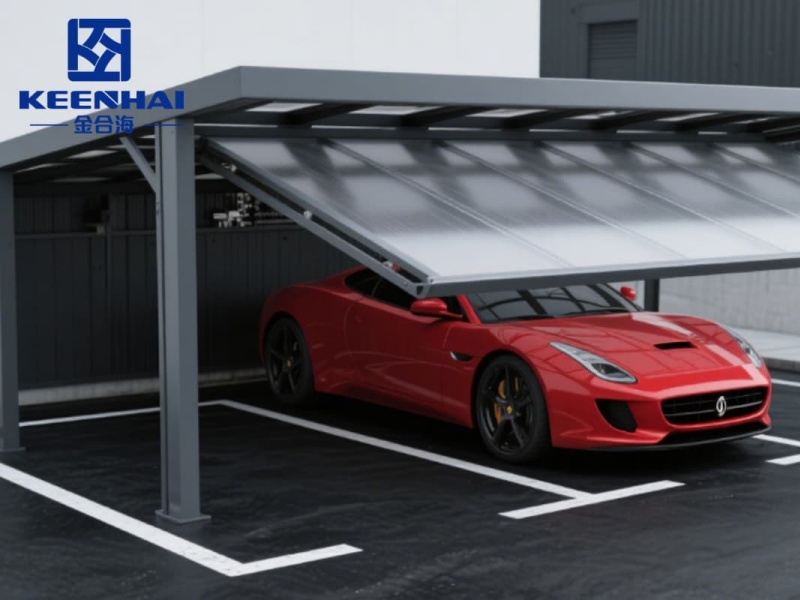
3. Designing Style and Functionality
The style and functionality of a carport determine not only its appearance but also how practical it is for everyday use. Thoughtful design ensures your space is versatile, protects vehicles, and can integrate extra features without clutter.
3.1 Open vs. Enclosed Carport Designs
Choosing between an open or enclosed design affects airflow, protection, and flexibility.
-
Open Carports allow easy access and better ventilation. They prevent heat buildup in hot climates and require less maintenance, since debris doesn’t get trapped on walls.
-
Enclosed Carports offer maximum protection against rain, snow, and wind. They can also provide privacy and additional security if you include lockable doors.
A Modern Metal Carport with open sides and a slightly sloped roof can handle heavy rainfall while keeping the structure airy, whereas partially enclosed versions combine protection with easy access. Open designs suit areas with mild weather, while enclosed options are better for regions prone to storms or extreme temperatures.
3.2 Roof Styles: Flat, Gable, or Sloped
Roof choice directly affects durability, drainage, and aesthetics.
-
Flat Roofs are simple and cost-effective. They work well in urban settings but require adequate slope (at least 1–2%) for drainage.
-
Gable Roofs create a classic pitched shape. The triangular design is ideal for shedding snow and rain efficiently, and it adds visual height.
-
Sloped Roofs can be single- or double-sloped. They provide excellent water runoff, prevent snow accumulation, and give a sleek, modern appearance.
Step-by-step for choosing the right roof style:
-
Consider climate: heavier snow or rain favors pitched or sloped designs.
-
Match the roof style to the house architecture for seamless integration.
-
Account for vehicle height: high roofs can accommodate taller trucks or SUVs.
Sloped roofs paired with reinforced frames ensure longevity even under heavy weather conditions, and they allow installation of accessories like gutter systems or solar panels without structural compromise.
3.3 Integrating Storage or Additional Features
Carports can serve more than just vehicle storage. Adding functional elements increases utility without sacrificing style.
-
Storage Cabinets or Lockers: Installing weatherproof storage along side walls keeps tools, sports equipment, or cleaning supplies organized.
-
Bicycle Racks or Shelves: Wall-mounted or freestanding racks maximize space efficiency without interfering with vehicle parking.
-
Lighting and Electrical Outlets: LED strips or motion-sensor lights improve visibility and safety. Electrical outlets enable charging stations for electric vehicles.
-
Optional Side Panels: Partial panels can protect vehicles from wind-driven rain while keeping the area airy.
When a homeowner added integrated shelving to a Custom Aluminum Carport, they could store garden tools and sports gear without blocking car access. Thoughtful placement ensures the carport remains uncluttered and fully functional. Prioritizing both aesthetics and practicality in design results in a versatile space that enhances property value.
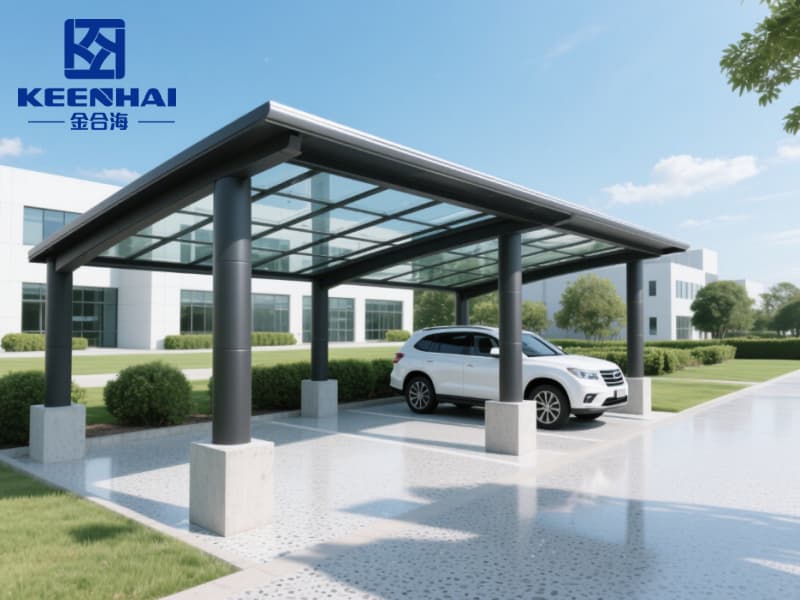
4. Customization and Aesthetic Considerations
Customization and aesthetics are what turn a standard carport into a structure that complements your home while remaining highly functional. Paying attention to color, finishes, and accessories can make a big difference in both appearance and durability.
4.1 Color, Finish, and Powder Coating Options
Choosing the right finish affects longevity and appearance. Powder coating is the most popular choice for aluminum carports because it resists corrosion and fading.
-
Color Selection: Neutral colors like beige, gray, or black blend seamlessly with most homes, while bolder tones can make a statement without compromising durability.
-
Finish Options: Smooth or textured finishes can help hide scratches and dents. Textured powder coatings also reduce glare from sunlight.
-
Protective Layers: Some coatings include UV protection to prevent discoloration over time, especially in areas with strong sunlight.
Applying the right finish ensures the structure maintains a fresh look even after years of exposure. A homeowner in Florida chose a dark gray powder coating for their Custom Aluminum Carport. It matched their house trim, resisted fading under intense sun, and required minimal maintenance.
4.2 Matching Carport Design with Home Architecture
A carport should feel like an integrated part of the property rather than an afterthought.
-
Roof Alignment: Match roof angles or slopes with the main house for cohesive visual flow.
-
Material Harmony: If the house has brick, stone, or siding accents, replicate textures or colors on trim, posts, or panel edges.
-
Proportionality: Ensure height and width are balanced with the home’s scale. Oversized or undersized structures can appear awkward.
For modern homes, a sleek aluminum structure with minimalist lines complements contemporary facades, while traditional gable or sloped carports enhance classic exteriors. Taking time to match materials and proportions gives the property a polished, intentional look.
4.3 Lighting, Gutters, and Accessories
Functional accessories enhance usability and protect your investment.
-
Lighting: LED strips, motion sensors, or integrated canopy lights improve safety and visibility while adding modern appeal.
-
Gutters: Properly sized gutters and downspouts prevent water pooling and protect foundations. Slope them slightly to encourage efficient drainage.
-
Optional Add-ons: Hooks, bike racks, or side panels increase versatility without cluttering the space. Electrical outlets can support EV charging or outdoor power tools.
Installing these features requires planning:
-
Map lighting positions to avoid shadows over parked vehicles.
-
Install gutters slightly below the roof edge and connect downspouts away from the carport foundation.
-
Place accessories where they are accessible but don’t interfere with parking or traffic flow.
A homeowner added motion-sensor LED lights and subtle side panels to a Modern Metal Carport. This setup protected vehicles from wind and sun while creating a safe, well-lit area at night. Strategically chosen accessories can elevate both function and style.
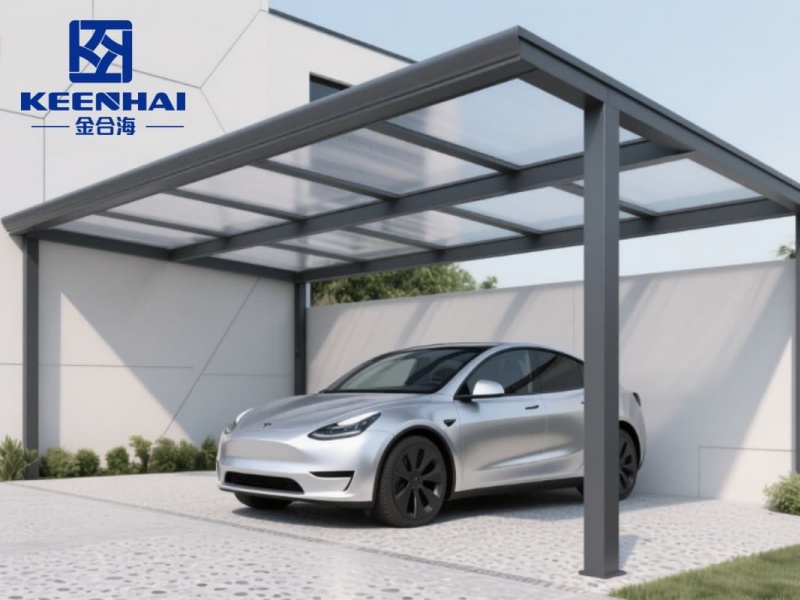
5. Planning for Installation and Maintenance
Proper planning for installation and ongoing maintenance ensures your carport remains safe, functional, and visually appealing for years. Attention to foundation, drainage, and assembly methods can prevent common problems like sagging, water damage, or corrosion.
5.1 Pre-fabricated vs. On-site Assembly
Choosing between pre-fabricated kits and on-site construction affects cost, time, and complexity.
-
Pre-fabricated Kits come with pre-cut parts and detailed instructions. They are quicker to assemble and ideal for homeowners who want a straightforward setup. Most kits include pre-drilled holes, labeled parts, and recommended fasteners.
-
On-site Assembly offers full customization. Frames, beams, and roofing can be cut and adjusted to fit unique spaces or unusual slopes. This approach requires more labor but allows precise integration with existing landscaping or structures.
A Heavy-duty Carport installed on uneven terrain benefited from on-site assembly, as installers could adjust post heights and beam alignment to ensure a level structure. Choosing the right assembly method upfront saves time and reduces unexpected challenges.
5.2 Ensuring Proper Drainage and Foundation Support
Water management and a stable foundation are critical for long-term performance.
-
Foundation Preparation: Use concrete footings at least 24 inches deep for residential installations. Ensure soil is compacted and level to prevent shifting.
-
Slope and Drainage: Maintain a slight slope in the carport roof (1–2%) and direct downspouts away from the foundation. This prevents water pooling and protects your home’s landscaping.
-
Anchoring: Posts should be securely anchored using stainless steel bolts or reinforced brackets to withstand wind and heavy loads.
Even a Custom Aluminum Carport requires careful attention to these details. Poor drainage or unstable footing leads to sagging or structural damage over time. Ensuring water flows away from the carport extends its lifespan and protects surrounding areas.
5.3 Long-term Durability and Maintenance Tips
Routine maintenance keeps your carport in optimal condition and avoids expensive repairs.
-
Regular Cleaning: Wash the frame and roof every 6–12 months to remove debris, dust, and salt deposits in coastal areas.
-
Inspect Fasteners: Check bolts, screws, and brackets periodically. Tighten any that loosen over time.
-
Surface Protection: Touch up scratches or chips in powder-coated finishes to prevent corrosion.
-
Gutter and Drainage Care: Keep gutters clear to avoid water overflow that could damage posts or foundation.
A well-maintained Heavy-duty Aluminum Carport can last 20–25 years or more. Consistency in upkeep and careful inspection of structural components ensures long-term reliability and preserves appearance.